
Intro
The Council of Americana Roots Music, a non-profit 501(c)(3) organization, was founded in 2010 with a mutual benefit of cultural enrichment and community service. Our mission is to promote, present, and preserve Americana roots music, while serving the under-served people of Appalachia with fairness, dignity, and compassion.
Programming originally included the production of a 16-episode annual public television series titled Jammin at Hippie Jack’s (JAHJ). This half-hour music series focused on preserving and showcasing original singer-songwriters representing historically significant forms of Americana grassroots music. The series was distributed nationally by the National Educational Telecommunications Association (NETA) to public television stations, libraries, and educational institutions.
Additional initiatives at that time included a regional radio program, The Hippie Jack Radio Hour, broadcast on WDVX in Knoxville and throughout East Tennessee and streamed worldwide at www.wdvx.com; a public engagement music festival held each May; and a series of benefit concerts held throughout the year. Proceeds from these programs supported outreach efforts for underserved populations in former coal-mining communities in rural Overton County, Tennessee.
The Beginnings
Origins
JAHJ evolved out of a documentary produced by WCTE-PBS in 2006. The star was Jack Stoddart, a fine art photographer whose life was spent living on the Cumberland Plateau in Tennessee documenting the vanishing culture of the Appalachian “hill people,” who even in the late 1970’s and early 80’s were still working the land with horse and plough, and surviving in seclusion. After an influential week spent with documentary producer and WCTE President/CEO Becky Magura, Stoddart commenced development of a documentary series about Americana music for broadcast locally on WCTE.
On the Air
This Revolution Will Be Televised
In 2007, Stoddart, produced an 8-episode pilot series for broadcast locally on WCTE. Because the program was filmed on his farm and he was known around town as Hippie Jack, he called the Americana roots music show Jammin at Hippie Jack’s.
In 2008, Stoddart produced a 13-episode television series for broadcast on WCTE, and in 2009 the National Educational Telecommunications Association (NETA) was approached with a proposal to distribute the series. Each program would feature an Americana musician. NETA, enthusiastic about the uniqueness of the program, agreed to serve as the national distribution partner.
Jack Stoddart, with the help of a small start-up fund provided by local businesses and community supporters, began producing, directing, and editing the program for national broadcast. Wood Tent Audio, a local recording studio, was contracted to separately record the musical score as it was performed. This partnership further helped the program grow and develop.
The initial national broadcast of the program in early 2009 was a phenomenal success, with 44 public television stations in 14 states picking up the program and broadcasting it to a potential audience of over 89 million people. By the next season, more stations picked up the show, and by December of 2010, 94 stations in 22 states were broadcasting JAHJ to a potential audience of 112 million people.
Today the program is broadcast in 30 states to approximately 144 million people and continues to gain support.


BRINGING HELP
Humanitarian Efforts
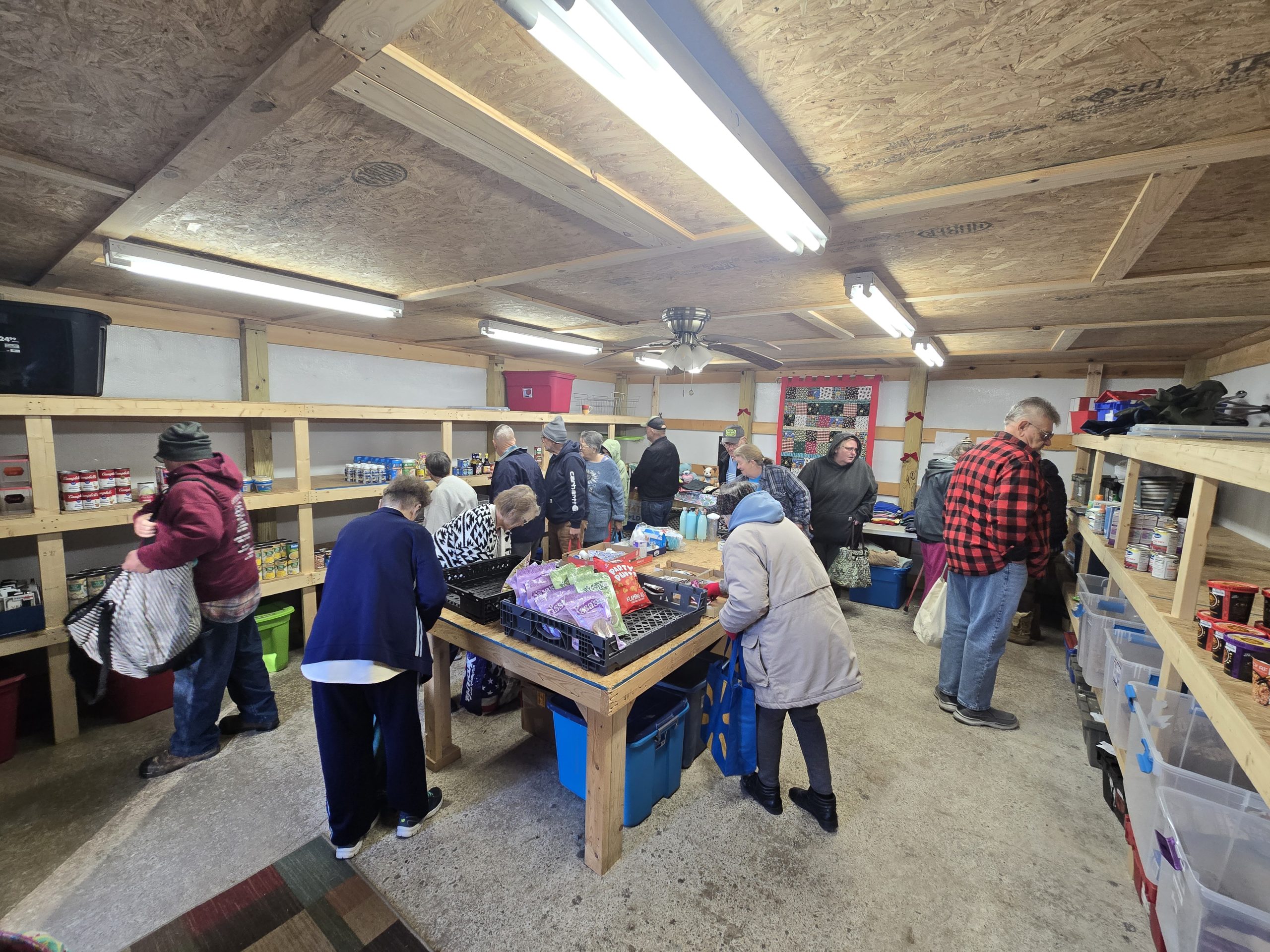
In 2015, Hippie Jack Stoddart shifted his focus to humanitarian efforts aimed at supporting Appalachians in former mining communities across Overton County. What began as a simple call for food and clothing donations to help individuals Stoddart personally knew soon grew into a larger movement. To expand outreach, Stoddart partnered with organizations such as Soles4Souls, The Stephens Center, The AD Foundation, and TDOT Recycling.
With overwhelming support from local communities and partnering organizations, COARM’s impact grew significantly. By 2017, these efforts included:
8 Busloads
of food and clothing delivered to families in need.
50 SUV Loads
of food and clothing distributed across the region.
60 Ricks of Firewood
delivered, with locals hired to cut and prepare the firewood.

Partnership with Livingston Reach Academy’s Backpack Program
providing meals to students and their families.
2nd Annual Head Start Christmas Dinner
where a busload of supplies included 300 children’s coats, presents, and food.
A 5-day event
in late December that provided over 300 people with food, clothing, and children’s toys.